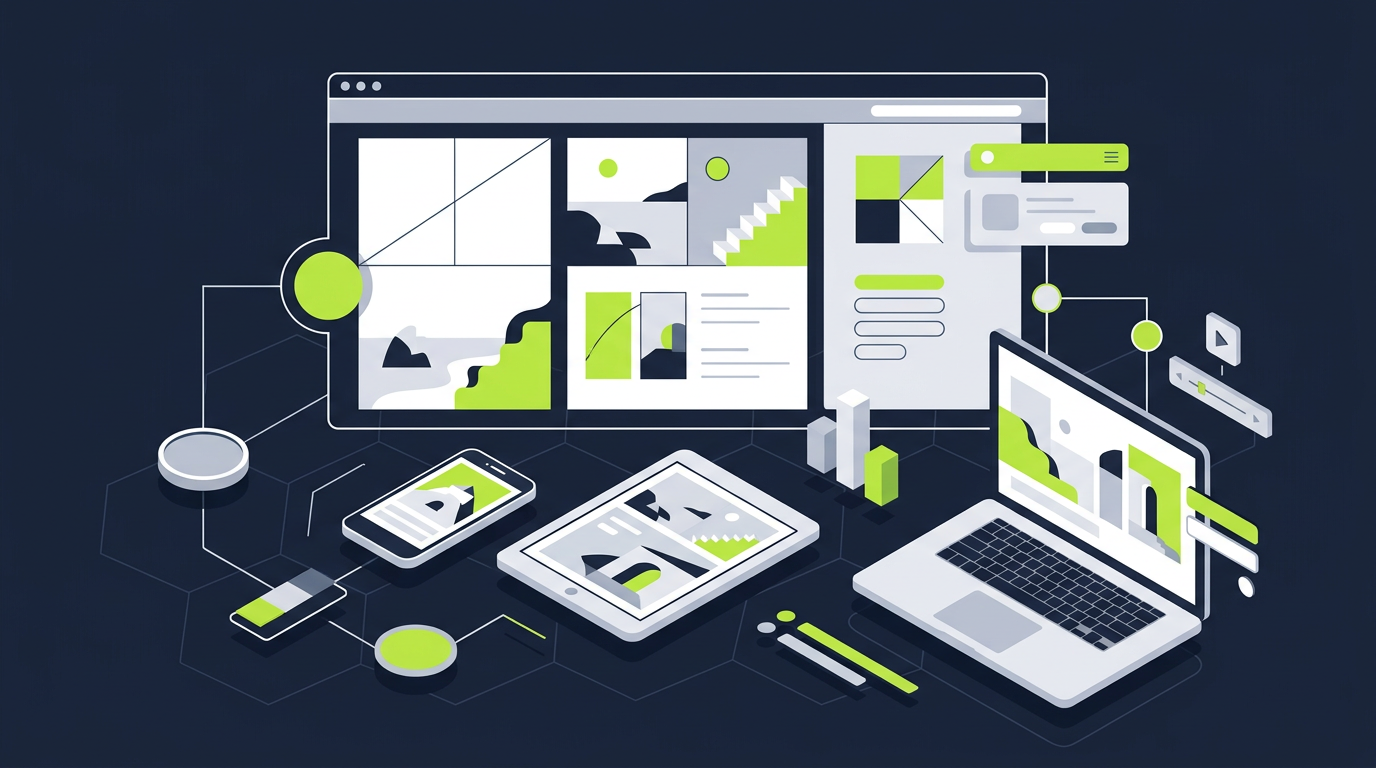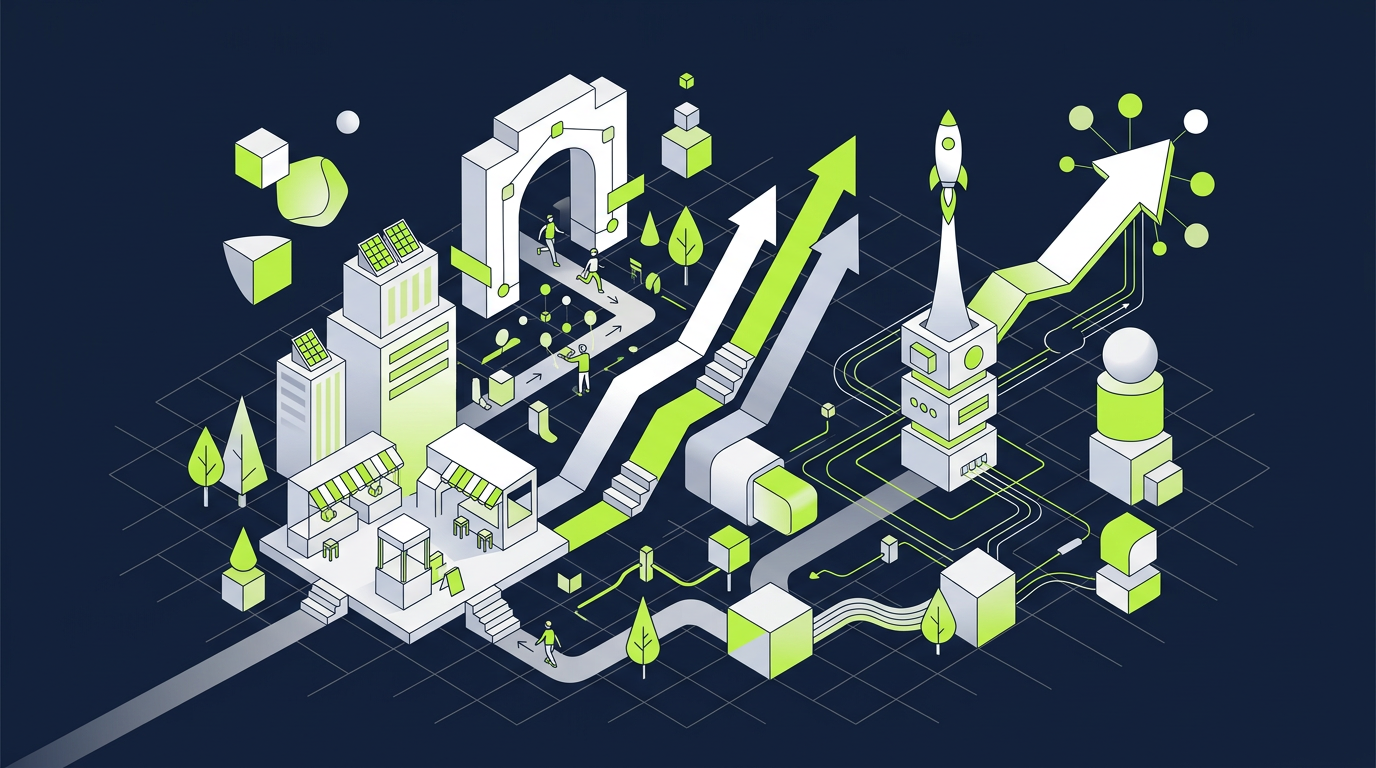


Scalability is the difference between a website that serves as a temporary digital brochure and one that functions as a high-performance engine for business growth. In the 2026 digital landscape, a scalable site isn't just about handling more traffic; it’s about modular architecture that allows you to add features, languages, and revenue streams without technical debt collapsing your foundations.
To build a scalable website in 2026, you must employ a decoupled or "headless" architecture that separates the front-end display from the back-end data, coupled with a global Content Delivery Network (CDN) to ensure sub-second domestic and international load times. This approach utilizes modular components and cloud-native hosting (like Vercel or AWS) to ensure the infrastructure expands automatically as visitor volume and database complexity increase.
Key takeaways
Why "Headless" and Decoupled Architecture is No Longer Optional?
As of April 2026, the traditional "monolithic" website—where your design, database, and admin panel are tightly fused—is becoming a liability for growing Costa Blanca businesses. When these elements are fused, making a significant change to your booking system or adding a real-estate MLS feed can break your entire layout.
A scalable site separates these layers. By using an API-first approach, your content lives in a specialized CMS while your "head" (the part users see) is built for speed. This means if you start as a boutique hotel in Altea and later expand into a regional group with 10 locations, you can push the same room data to your website, a mobile app, and local tourism portals simultaneously without duplicating work.
How to Scale for Multilingual and International Audiences
Operating in Spain means your scalability plan must account for linguistic expansion from day one. In our 2025 audits, we found that 65% of Costa Blanca businesses lost potential revenue because their site architecture wasn't "locale-aware," making it impossible for Google to index their German or Dutch versions correctly.
To scale internationally, use the `ISO 639-1` language codes in a subdirectory structure (e.g., `/es/` or `/en/`) rather than URL parameters. This is crucial for Spanish SEO and complies with AEPD regulations regarding data processing across different regions. Ensure your database handles UTF-8 encoding to support diverse scripts, and implement `hreflang` tags dynamically so search engines understand your regional targeting as you expand from Alicante to the broader EU market.
Optimizing for "Extreme Seasonality" with Cloud Hosting
On the Costa Blanca, web traffic isn't a flat line; it’s a series of aggressive peaks. A restaurant in Javea might see 500% more traffic in July than in November. Traditional fixed-server hosting either crashes during the peak or costs you too much during the trough.
Google’s "Core Web Vitals" now heavily weight Interaction to Next Paint (INP). On high-traffic days, a non-scalable server will lag, causing your INP to skyrocket and your rankings to tank just when you need the visibility most.
Scalable websites use "Serverless" or "Edge Computing" functions. This means your code runs on the server closest to the user (e.g., a Madrid or Marseille node), and the resources expand and contract in real-time. This ensures that whether 10 or 10,000 users are looking for a table at your venue, the experience remains instant.
Scaling Content and Data without "Technical Debt"
The "Growth Trap" happens when a business adds hundreds of blog posts, properties, or products without a rigid data schema. By year three, the site becomes slow and unsearchable. Scalability requires "Atomic Content" design—breaking information down into its smallest reusable parts.
Instead of writing a static page for every property in Denia, a scalable site uses a Dynamic Content Model. You define what a "Property" is (price, location, beds, energy certificate), and the site generates the pages. This allows you to update the IVA (VAT) percentage from 21% to a new rate globally in one second, rather than editing 500 individual pages—a must for staying compliant with Spanish tax legislation changes.
From the field: what we see on the Costa Blanca
Last year, we worked with a growing real-estate agency based in Moraira that was struggling with a "rigid" WordPress build. Their site was built on a heavy pre-made theme that looked great but crawled to a halt every time they imported new listings from their CRM. During the peak summer months, their mobile load time exceeded 6 seconds, leading to a 75% bounce rate among high-net-worth international investors.
The Apex Digital Approach:
1. Infrastructure Migration: We moved their site from a shared local host to a headless setup using a high-performance front-end framework.
2. API Integration: We rebuilt the way their site communicated with their property management software, ensuring that high-resolution images were automatically optimized for WebP format on upload.
3. Regional Localization: We implemented a scalable multi-language module (EN, ES, DE, FR) that allowed their small team to manage translations via a unified dashboard.
The Outcome:
Within 12 weeks, the site’s performance score moved from 34 to 98 on Google PageSpeed Insights. Despite the increase in traffic during the subsequent "Semana Santa" season, the site remained lightning-fast. The agency reported a 210% increase in lead generation from their German-speaking audience and saved approximately 15 hours of manual data entry per week. The cost of hosting actually decreased because they switched to a "pay-for-what-you-use" cloud model.
The "Modular Growth" Framework (Apex Original)
At Apex Digital, we use the "3-Layer Scalability Framework" to ensure your site doesn't become obsolete in 24 months:
1. The Core: A lean, API-driven backend (the data engine).
2. The Interface: A design system of reusable "Blocks" (not static templates).
3. The Automator: Integrations that handle Spain-specific needs (e.g., automating Modelo 303 data exports or GDPR-compliant cookie consent logging).
By building in these three distinct layers, you can swap your design in 2028 without losing your data, or change your CRM without rebuilding your website.
Conclusion
A scalable website is an investment in your company's future flexibility. By moving away from rigid, monolithic systems and embracing modular, cloud-native architecture, you ensure that your digital presence grows as fast as your ambitions.
Next step: Conduct a "Scalability Audit" of your current site to identify if your hosting or architecture will bottle-neck your growth this year.
Related reads from Apex Digital
About the author
Apex Digital is a hands-on digital marketing agency based on the Costa Blanca, Spain, working with SMBs, hospitality, real estate and ecommerce brands across Alicante, Valencia and the wider region since 2020. We specialize in building technical foundations that allow local businesses to compete on a global scale.
Every article is reviewed by a human strategist, fact-checked, and updated when Google's guidelines change to ensure our clients stay ahead of the curve.
Need help applying this to your business? Book a free strategy call.
Free Website Audit Template
42-point checklist. Score your site.
Want us to implement this for you?
If you'd rather have experts handle your digital marketing strategy, we're here to help.
Book a Strategy Call